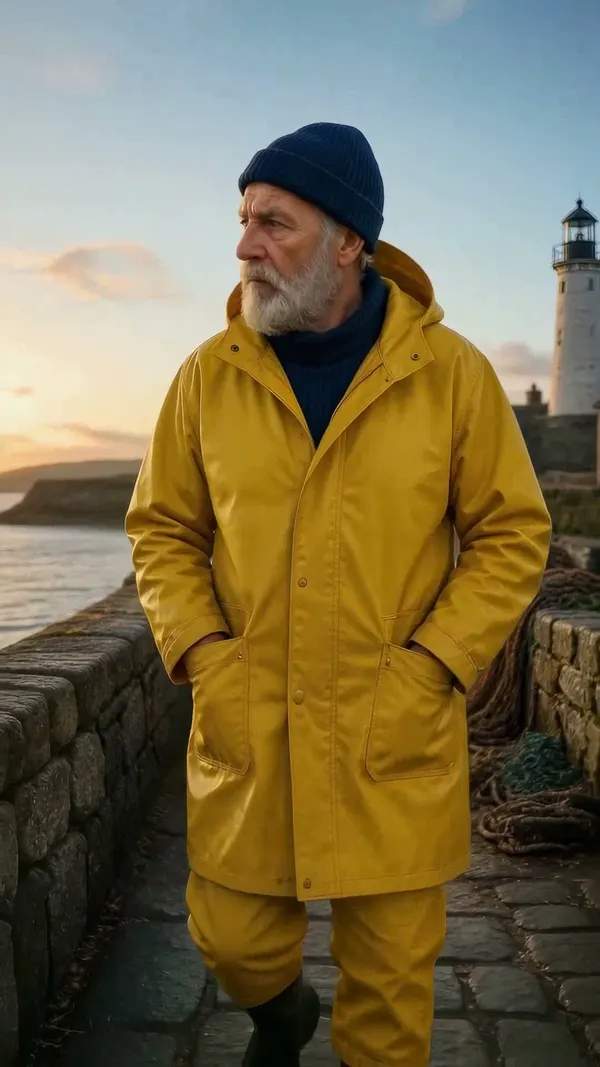
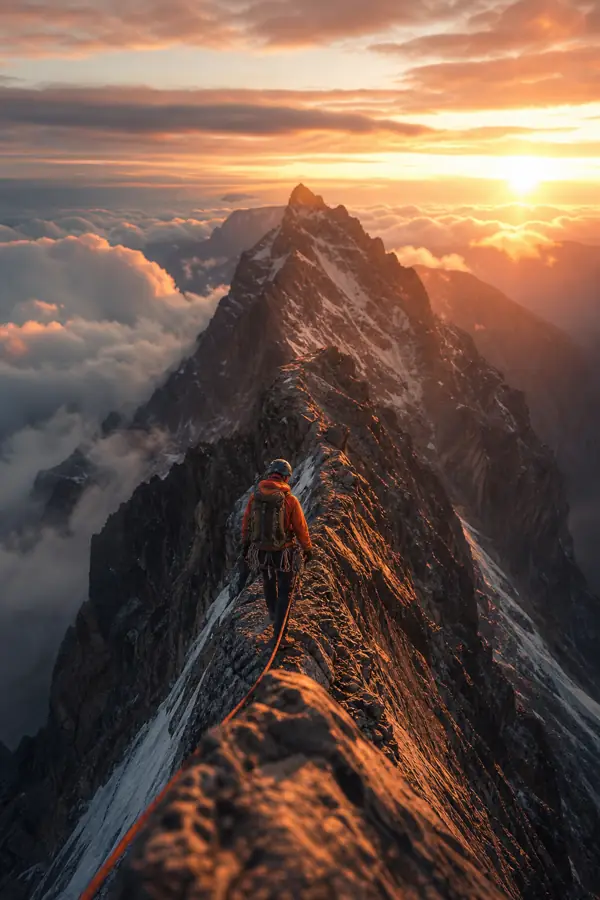
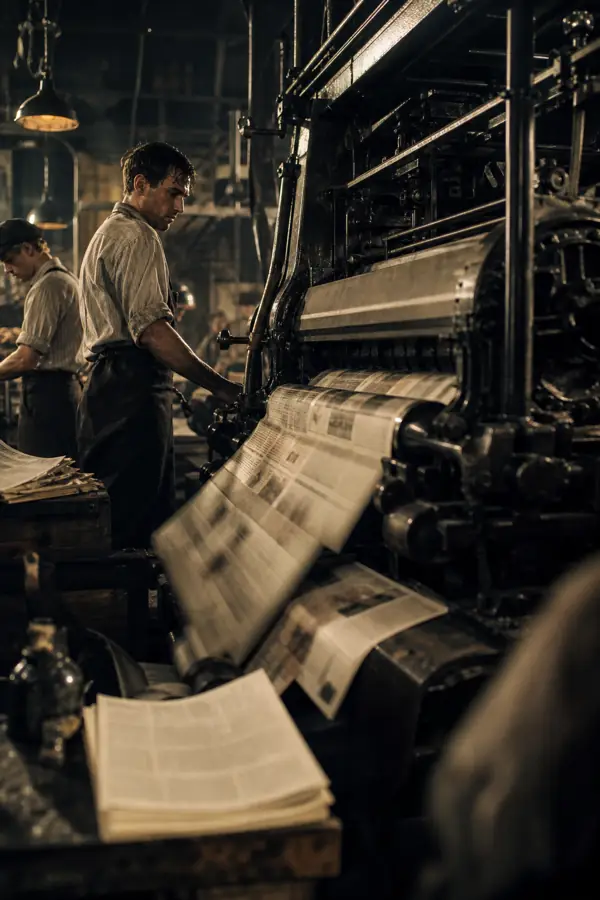
The stock-footage ceiling every faceless channel eventually hits
Fliki is a genuinely fast way to turn a script into a video, and it works by matching your text to footage — a stock library plus AI avatars — rather than generating the picture from scratch. That's a real strength for general marketing content, and we say so directly on our own Fliki alternative comparison. But faceless channels that scale past a video or two a week run into the same wall: a stock library can only return footage that already exists. Your script eventually asks for a shot nobody filmed, and the video either settles for a near-miss clip or the channel's visual identity starts looking like everyone else pulling from the same library.
Assembly versus generation
Both tools take a script in and a video out, which makes them look like the same category from a distance. They're not solving the same problem. Fliki assembles: it searches a media library for clips that roughly match your narration and stitches them to length. Vidsly generates: an AI image for every scene beat, motion generated from that specific image, a single consistent character carried through every shot, and a music bed mixed underneath — none of it borrowed from a library, all of it made for that exact script. Assembly is faster when a near-match is good enough. Generation is the only option when the shot has to be exactly what the script describes, scene after scene, day after day.
Why this matters more at scale than on video one
A single video hides the ceiling. A daily channel exposes it fast:
- Visual repetition. Stock assembly pulls from a shared library — at volume, competing faceless channels start recycling the same handful of clips for the same trending topics.
- No recurring identity. A host or mascot that should look the same in every episode can't, because there's no character to hold consistent — there's only whatever clip matched this line. Vidsly's consistent character system generates one canonical reference and re-uses it in every scene of every video, so a channel actually builds a recognizable face over time instead of a rotating stock reel.
- Cost per video that scales with volume. Stock-and-assembly tools typically meter by credits or minutes consumed per export — the more videos, the more it costs, on every single tier.
Scaling past the per-video bill: the unlimited lane
This is where a zero-credit lane changes the arithmetic entirely. From the Creator plan ($29/month), Vidsly's Unlimited Director's Cut renders full AI videos — the AI Director planning every shot, the consistent character in every scene, clips generated to match each line's narration length — at zero credits per clip. The only limit is a printed daily allowance, not a hidden meter: 20 clips a day on Creator, 40 on Pro, 60 on Studio. Clips render up to 6 seconds each; a scene whose narration needs longer splits automatically into two scenes, and both count against the daily total. HD clips on Unlimited Premiere (720p, Pro and Studio) count double against the same budget.
Crucially, the allowance paces rather than blocks: submit a video with more scenes than today's remaining budget and the clips that fit start rendering immediately while the rest resume automatically at the next midnight-UTC reset — you never hit a wall mid-render. For a channel trying to post daily, that's the volume math a per-export bill can't match.
What you're trading for that volume
Be clear-eyed about the honest trade: the unlimited lane renders a 480p source (720p on Unlimited Premiere, Pro and Studio; 1080p on Unlimited Ultra, Studio) on a relaxed, queued render — typically minutes, with an email when it's ready — rather than the instant turnaround of the paid credit engines, which render native 1080p. If a specific video needs to be fast and sharp right now, the paid engines are right there in the same Studio. The unlimited lane is what makes posting every day financially sane, not a replacement for every render.
When Fliki is the better tool
- You want real footage of real things — product B-roll, a property walkthrough, an actual recorded event. A generated scene is the wrong answer when the shot should be an actual photograph of an actual place.
- You need captions burned directly into the file. Vidsly's AI video pipeline doesn't add captions to the render — you add them at upload, where every major platform generates them automatically. If burned-in subtitles have to ship inside the file itself, that's a real reason to look elsewhere.
- You want an AI avatar presenter. Vidsly builds animated, illustrated scenes with a consistent character, not a talking-head avatar. If the format is specifically a presenter speaking to camera, that's a different tool.
Which one actually scales
For a single explainer or a handful of marketing clips, assembly tools like Fliki are fast and perfectly sufficient. For a channel trying to publish daily without a stock-footage ceiling or a per-video invoice, generation is the tool built for that specific problem — and it's the one problem stock assembly structurally can't solve, no matter how large the library gets. Paste a script into the Studio and see what a generated video looks like, or compare the numbers on plans and credits before you commit to a daily cadence.